
Homeowners choose aluminum gutters because they deliver a strong balance of durability, appearance, and cost.
Long-Lasting Durability
Aluminum gutters can last 20 years or longer when properly installed and maintained. Aluminum does not rust like steel because it does not contain iron, which is what drives rust formation. This makes aluminum a dependable option for environments where gutters are exposed to frequent moisture.
Lightweight Yet Strong
Aluminum is lighter than steel and copper, which makes it easier to handle during installation and reduces strain on fascia boards and attachment points. The lighter weight can also help control labor time. For homeowners considering DIY, aluminum is often more manageable than heavier metal options, although ladder safety still matters.
Affordable and Cost-Effective
Aluminum is often a middle-ground material. It typically costs more than basic vinyl, but it delivers better longevity and strength for most homes. Compared to premium metals like copper, aluminum provides many of the same practical benefits at a much lower price.
Versatile Design Options
Aluminum gutters come in common profiles such as K-style and half-round, and they are available in many colors. They can also be painted to match exterior trim, helping improve curb appeal without requiring premium materials.
Low Maintenance Compared to Many Metals
All gutters need routine cleaning, but aluminum’s corrosion resistance helps reduce long-term deterioration. With basic upkeep, aluminum gutters tend to stay serviceable for many years without the same rust-related issues common in steel systems.
Aluminum Gutter Systems Explained: Advantages, Installation Process, Cost, andMaintenance Tips
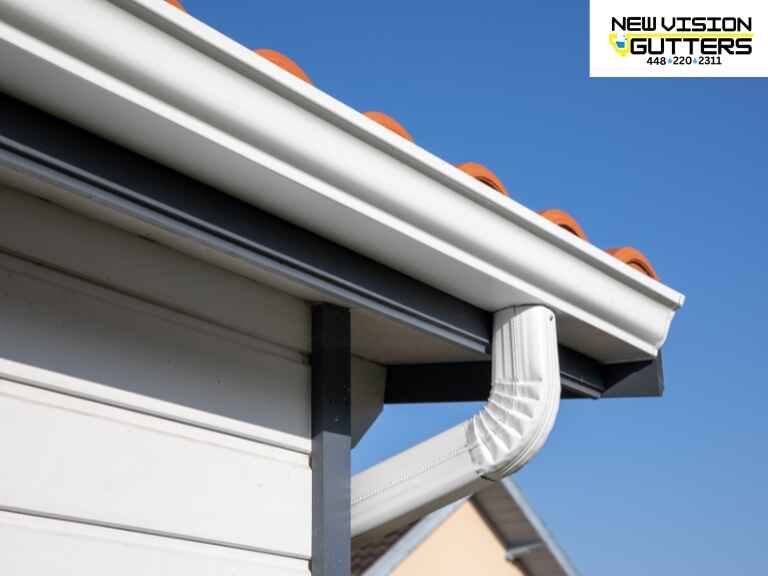
Aluminum gutter systems are one of the most popular and practical options for managing rainwater around a home. When gutters perform correctly, they help protect roof edges, fascia, siding, landscaping, and the areas around your foundation by directing water safely away from the structure. Aluminum stands out because it offers strong durability, a clean finished look, and solid value compared to many other gutter materials. In this guide, we explain what aluminum gutters are, why homeowners choose them, how installation works, what
affects cost, and how to maintain them for long-lasting performance. By the end, you will be able to evaluate aluminum gutters confidently and decide whether they are the right fit for your home
What Are Aluminum Gutters?
Aluminum gutters are roof-edge drainage channels made from lightweight, corrosion- resistant aluminum. Installed along the roofline, they collect rainwater and move it toward downspouts, which then direct water away from the home to help prevent water-related damage and expensive repairs. Aluminum gutters are available in two main types: seamless and sectional. Seamless gutters are custom-formed on-site to match the exact measurements of your home.
Because there are fewer joints, seamless systems typically have fewer potential leak points and deliver a smoother, more uniform appearance. Sectional gutters are installed using pre-cut pieces that are joined together. They can be more budget-friendly up front, but they introduce additional seams that require careful sealing and ongoing inspection. Both styles can work well when installed correctly, and aluminum’s strength-to-weight advantage makes it a reliable all-around choice for many homes.
Advantages of Aluminum Gutter Systems
Aluminum vs. Other Gutter Materials
Aluminum is often chosen because it balances performance and cost better than many alternatives.
Aluminum vs. Vinyl
Vinyl gutters are typically cheaper up front, but they are more likely to crack, warp, or fade over time. Aluminum generally holds its shape better and provides longer service life in a wider range of conditions.
Aluminum vs. Steel
Steel gutters are strong and may resist impacts better, but steel is heavier and more prone to rust if coatings wear down. Aluminum is lighter, easier to work with, and typically requires less long-term attention related to corrosion.
Aluminum vs. Copper
Copper offers premium appearance and long-term durability, but it is significantly more expensive in both materials and installation. Aluminum delivers excellent function and visual options at a fraction of the cost.
Styles of Aluminum Gutters
Two of the most common aluminum gutter profiles are K-style and half-round.
K-Style Gutters
K-style gutters are the most common choice for modern homes. They have a flat back and a decorative front shape that resembles crown molding. They hold more water than many other profiles and are widely available, which makes them a practical option for most residential installations.
Half-Round Gutters
Half-round gutters have a smooth, rounded shape. They are often used on historic or custom homes, and they can be easier to clean because of their curved interior. However, they generally hold slightly less water than K-style gutters of comparable size.
Installation Overview
Installing aluminum gutters involves several key steps to ensure proper drainage and leak resistance.
1. Measurement and planning
Measure roof edges, plan gutter runs, and determine downspout locations based on roof layout and drainage needs.
2. Mounting hangers or brackets
Attach hangers along the fascia at consistent spacing so the gutter stays properly supported over time.
3. Cutting and fitting
Cut sections to length and fit them to the roofline. The gutter must be installed with a slight slope toward the downspouts to prevent standing water.
4. Seaming and sealing
For sectional gutters, connect pieces and seal seams carefully to prevent leaks. Seamless gutters reduce this step because they have fewer joints.
5. Adding downspouts
Install outlets and connect downspouts to direct water away from the home. Proper discharge location matters because water should not be released at the base of the structure.
A correct installation, whether completed by a homeowner or a professional, is what ultimately determines how well the gutter system performs.
Cost of Aluminum Gutter Systems
The cost of aluminum gutters varies based on gutter type, size, home layout, and installation method
Aluminum gutters commonly fall within a broad installed range depending on whether the system is sectional or seamless, the gutter size, and the labor involved.
Seamless vs. sectional
Seamless systems typically cost more up front, but they reduce the number of seams and usually provide a cleaner finished look.
Home size and complexity
Longer runs, multiple corners, steep rooflines, and complicated drainage layouts require more labor and can increase the final cost.
Overall, aluminum is widely considered a cost-effective option because it offers strong performance and long service life without the premium price of higher-end metals.
Maintenance Tips for Long-Lasting Performance
Aluminum gutters are relatively low maintenance, but routine care helps prevent clogs and extends lifespan.
Clean at least twice per year
Remove leaves, pine needles, twigs, and roof grit in the spring and fall so waterccan flow freely.
Inspect after heavy rain or wind
Look for loose hangers, sagging sections, dents, and separated joints, and address issues early.
Consider gutter guards
Gutter guards can reduce debris buildup and reduce cleaning frequency, especially for homes with heavy tree coverage
Check for oxidation or physical damage
Aluminum resists rust, but dents, loose seams, or ongoing overflow should be corrected to avoid long-term problems.
Consistent upkeep keeps the system draining correctly and reduces the likelihood of leaks or water overflow near the home.
Frequently Asked Questions (FAQs)
How long do aluminum gutters last?
With proper installation and routine maintenance, aluminum gutters commonly last 20 to 30 years or longer.
Are aluminum gutters better than vinyl?
Aluminum generally provides better durability and longer service life than vinyl, making it a stronger long-term option for many homes.
Do aluminum gutters rust?
Aluminum does not rust like steel. It can oxidize over time, but it forms a protective layer that slows corrosion.
Should I choose seamless or sectional aluminum gutters?
Seamless gutters reduce leak points and create a cleaner appearance. Sectional gutters can cost less up front but require more attention to seams and sealing.
Conclusion
Aluminum gutter systems are a smart choice for homeowners who want reliable rainwater management without paying for premium materials. They combine durability, corrosion resistance, design flexibility, and long lifespan in a way that works well for many homes. Whether you are installing new gutters or replacing an older system, understanding aluminum gutter benefits, installation basics, cost factors, and maintenance best practices will help you make a confident decision. With proper installation and regular upkeep, aluminum gutters can protect your home and support curb appeal for decades.