
New Vision Gutters

Ultimate Guide: How to Replace Gutter Systems on Your Home (2026 Edition)

how to replace gutter

Replacing your home’s gutter system is one of the most valuable exterior maintenance projects you can do. A properly installed gutter system directs rainwater away from your property, helping reduce erosion, crawlspace moisture problems, foundation issues, and siding damage. Over time, gutters can become bent, worn, corroded, or pulled out of alignment by heavy rain, wind, and ongoing debris buildup.

When repairs become frequent or performance keeps slipping, replacement is often the smartest long-term move. This guide walks through the full process, from planning and tools to step-by-step installation and safety tips, so you can replace your gutters with confidence and achieve clean, professional-looking results.

Why Replacing Your Gutters Matters

Replacing old or failing gutters protects the structure and finishes of your home. When gutters do not drain properly, water can pool near the foundation and contribute to cracking, settling, and other costly problems. Overflowing gutters can also erode landscaping, stain or damage trim, and create crawlspace moisture issues. Gutters also protect the roofline by moving water away from fascia and roof edges. If water backs up, it can seep beneath shingles and cause rot in wood components over time.

Common signs you may need replacement include sagging sections, rust or corrosion, recurring leaks, joints that separate, and chronic clogging that returns shortly after cleaning. When the system has reached the end of its lifespan or has sustained damage that cannot be corrected, replacement is usually safer and more cost-effective than repeated patch repairs.

Planning and Choosing the Right Materials

Before removing your existing gutters, plan the new system and choose the right materials. Common options include aluminum, vinyl, steel, and copper, and each has its own pros and cons. Aluminum is lightweight, rust-resistant, and widely used for residential homes. Vinyl is budget-friendly and easy to cut, but it can become brittle in colder climates.

Steel isstrong, but it can rust if coatings wear down. Copper offers long-term durability and a distinctive appearance, but it is typically the most expensive option. You should also choose the right size and style. Many homes use standard 5-inch gutters, while 6-inch gutters may be a better fit for rooflines that collect a high volume of water or areas that experience heavy rainfall. Measure the roofline carefully, including corners, downspout locations, and any roof sections that drain into a single run, so you can order the correct quantity and reduce waste.

Essential Tools and Safety Gear You Will Need

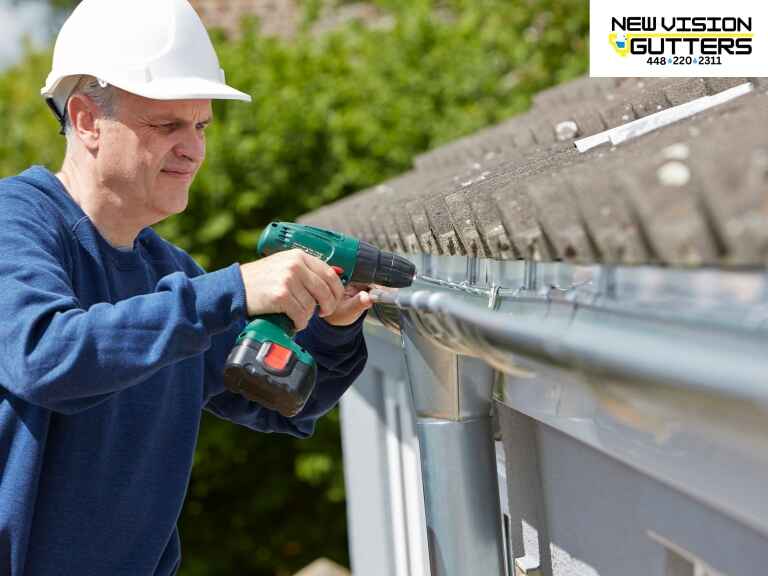
Gutter replacement requires a mix of basic tools and installation-specific items. Common tools include a sturdy extension ladder with a stabilizer, a drill with appropriate bits, tin snips or a hacksaw for cutting, a chalk line, measuring tape, and a level.

Other helpful materials include gutter sealant, rivets or fasteners, hangers or brackets, end caps, and downspout components. Safety gear is equally important. Wear gloves and eye protection, use non-slip footwear, and work with a partner whenever possible. A stable ladder setup protects you and helps prevent accidental damage to fascia, gutters, and siding during removal and installation.

How to Remove Old Gutters Safely

Removing the existing gutter system should be done carefully to protect the fascia board and roof edge. Set up your ladder on firm, level ground and use a stabilizer to improve balance and reduce pressure on the gutter edge. Start at one end of the run and remove fasteners with a drill or screwdriver. Place hardware in a bucket to prevent losing it. As sections come loose, support them and lower them to the ground.

Do not drop gutter sections, since falling materials can bend pieces, damage property, or injure someone below. After removal, inspect the fascia and roofline for hidden rot, soft spots, or water damage. Repairing these areas before installing the new system helps ensure the replacement gutters mount correctly and stay secure.

Measuring and Marking for Your New Gutters

Accurate measuring and layout prevents slope issues, leaks, and poor drainage. Measure the total length of each roof edge where gutters will be installed, including long runs and corner transitions. Use a chalk line to mark the top edge of the gutter placement, and plan a consistent slope toward each downspout. A common guideline is about one quarter inch of drop for every ten feet of run, depending on the layout and number of downspouts.

The goal is steady flow toward the outlet without creating low spots that hold standing water. Marking the slope line clearly on the fascia helps you place hangers and brackets correctly and keeps installation consistent across the full run.

Installing Gutters: Step-by-Step Process

Once planning and layout are complete, install the new system in these steps:

1. Install hangers or brackets
Attach gutter hangers along the chalk line. Spacing typically ranges from about 18 to 36 inches depending on the gutter type and local conditions.

2. Cut and join gutter sections
Measure and cut sections with tin snips or a hacksaw. For longer runs, join sections using connectors or overlap joints, then seal the connection to prevent leaks.

3. Mount the gutters
Lift each gutter section into position and seat it securely in the hangers. Confirm the slope alignment, then fasten according to the gutter system requirements.

4. Attach end caps
Secure end caps at the ends of each run and seal them to prevent leaks.

5. Install downspouts
Mark outlet locations, cut outlet holes, and attach downspout outlets. Assemble downspout sections using elbows and anchors. Ensure water is directed several feet away from the foundation, either through extensions or splash blocks. Throughout installation, re-check slope, spacing, and secure attachment points so the system holds its shape and drains correctly.

Sealing, Testing, and Adjustments

After installation, seal all seams and connections using a high-quality gutter sealant, especially at overlaps, end caps, and downspout outlets. Allow sealant to set according to the product instructions. Next, test the system using a garden hose. Run water through the gutters and observe flow. Watch for pooling, dripping seams, overflow points, or slow downspouts. If you find issues, adjust hanger heights to refine the slope and reseal or tighten connections as needed. Testing ensures the system performs correctly before the next major rain event.

Maintenance After Replacement

Replacing gutters is not the last step. Regular maintenance keeps the new system performing for years. Inspect gutters after heavy wind or storms, and clear debris that can block flow. Check downspouts periodically to ensure they are unobstructed and draining away from the home. Seasonal inspections help identify loose hangers, separating joints, or developing leaks early. Tighten fasteners as needed and address small issues before they turn into major repairs

Frequently Asked Questions

Do I need to replace gutters or just repair them?
If your gutters are sagging, leaking in multiple areas, severely corroded, or separating at joints, replacement is often more cost-effective than repeated repairs.

Can I replace gutters myself?
Many homeowners can replace gutters with proper tools and safety practices. For steep rooflines, tall homes, or complex layouts, professional installation may be safer.

What is the ideal slope for new gutters?
A common guideline is about one quarter inch of drop per ten feet toward the downspout, adjusted based on roofline layout and downspout placement.

How long do new gutters last?
Lifespan depends on material and maintenance. Well-installed systems that are kept clear and inspected regularly can last 20 to 30 years or longer

Conclusion

Replacing your gutter system is a meaningful home improvement project that helps protect your home from water damage and improves drainage performance. With careful planning, accurate measurements, quality materials, and proper installation steps, you can upgrade your gutters with confidence.

A well-installed system directs water away from the home, reduces foundation and crawlspace moisture problems, and protects siding and roof edges during heavy rain. Start with a clear plan, the right tools, and a step-by-step approach, and you will benefit from a cleaner, more reliable drainage system for years to come.