New Vision Gutters

Introduction – Why Gutter Drain Size Matters for Your Roof

gutter drain

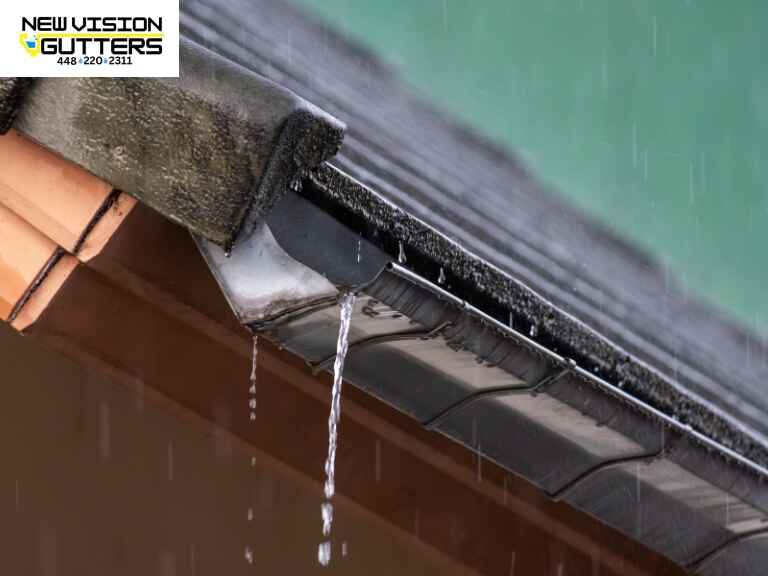
When it comes to protecting your home from water damage, your gutter drain system plays a crucial role. It channels rainwater safely away from your roof, walls, and foundation — preventing leaks, erosion, and costly structural problems. However, many homeowners overlook one vital detail: the size of the gutter drain. Choosing the wrong size can lead to water overflow during heavy rain, causing significant roof and foundation damage.

So, how do you determine the right gutter drain size for your roof? In this guide, the experts at New Vision Gutters explain everything you need to know — from measuring your roof’s water capacity to selecting the best materials for long-term performance.

Understanding the Basics of a Gutter Drain System

Before diving into size selection, it’s essential to understand what a gutter drain does.

A gutter drain system collects rainwater from your roof and channels it through:

  1. Gutters – Horizontal troughs installed along roof edges.
  2. Downspouts – Vertical pipes that carry water to the ground.
  3. Drains or Extensions – Pipes that direct the water away from your foundation.

When correctly sized, these components work together to ensure your home remains dry and protected — even during heavy rainfall.

Why Choosing the Right Gutter Drain Size Is Important

The size of your gutter drain determines how efficiently it can handle water flow from your roof. If your system is too small, it won’t drain fast enough during storms, leading to:

  • Water overflow and roof leaks
  • Rotting fascia boards and siding damage
  • Soil erosion near your foundation
  • Basement flooding

On the other hand, oversized gutter drains can be unnecessary and costly. The key is finding the perfect balance between capacity, efficiency, and cost.

Factors That Affect the Right Gutter Drain Size

1. Roof Size and Pitch

The larger and steeper your roof, the more rainwater it collects — meaning you’ll need a larger gutter drain.

  • Steep roofs shed water faster, increasing flow rate.
  • Flat or low-slope roofs collect water slower but may require wider gutters to handle pooling.

A simple rule of thumb:

The steeper your roof, the larger your gutter system needs to be.

2. Average Rainfall in Your Area
If you live in a region like Tallahassee, where occasional heavy rainstorms are common, your gutter system should be able to handle sudden downpours. The rainfall intensity directly affects how much water your gutters and downspouts need to move per minute.

3. Roof Material and Shape

Certain materials like metal cause water to flow faster, while shingles slow it down slightly. Also, complex roof designs with multiple slopes or valleys tend to channel more water into specific sections, which may require larger or additional downspouts.

4. Gutter Type and Shape

Common gutter profiles include:

  • K-Style Gutters: High capacity and decorative shape.
  • Half-Round Gutters: Traditional look with moderate capacity.
  • Box Gutters: Hidden design ideal for large roofs or commercial buildings.

Each shape affects how much water your gutter system can carry — and therefore what gutter drain size you’ll need.

Standard Gutter Drain Sizes Explained

Gutter drain sizes are typically measured in inches, referring to the width of the gutter opening. Here’s a breakdown:


  • 4-inch Gutters: Suitable for small homes or sheds with low rainfall.
  • 6-inch Gutters: Best for larger homes or steep roofs in heavy rainfall areas.
  • 7-8-inch Gutters: Used mainly for commercial or industrial buildings with massive water loads.

For downspouts (the vertical pipes):


  • 2×3 inches: Standard for small to medium roofs.
  • 3×4 inches: Better flow for larger roofs or heavy rain.
  • Round downspouts (3–4 inches): Ideal for decorative or modern designs.

If you’re unsure, consulting a professional like New Vision Gutters ensures you get a system perfectly sized to your home’s needs.

How to Calculate the Right Gutter Drain Size for Your Roof

Here’s a simplified method to estimate your ideal gutter drain size:


  1. Measure Your Roof’s Drainage Area
    Multiply the roof’s width by its slope length to get the square footage of each drainage section.


  2. Determine Rainfall Intensity
    Use local rainfall data (measured in inches per hour).


    • Light rainfall areas: 1–2 inches/hour
    • Heavy rainfall areas: 3–5 inches/hour


  3. Calculate the Drainage Capacity
    Multiply roof area by rainfall intensity to estimate gallons per minute (GPM).


  4. Match with the Right Gutter Size
    Compare your GPM result with standard gutter capacities:


6-inch K-style gutters: ~7,900 sq. ft. drainage capacity

This ensures your gutter drain system can handle the maximum expected rainfall without overflow.

Signs Your Current Gutter Drain Size Is Wrong

If you’re unsure whether your current system is correctly sized, watch out for these warning signs:

  • Overflowing gutters during moderate rain
  • Water stains on exterior walls
  • Sagging or bending gutters
  • Mold or mildew near roof edges
  • Pooling water near the foundation

If you notice any of these, it’s likely time to upgrade your gutter drain system.

Why Professional Installation Is Essential

Choosing the right size is only half the battle — proper installation is what ensures performance.
Professional gutter drain installers, like New Vision Gutters, use precise measurements, custom fittings, and the correct slope to guarantee optimal flow.

Here’s why it matters:

  • Ensures accurate sizing and placement
  • Prevents leaks and standing water
  • Maximizes the lifespan of your gutters
  • Comes with professional warranties and maintenance options

DIY installations often miss critical details like slope angles or downspout positioning, leading to costly future repairs.

Material Options for Gutter Drains

When upgrading your gutter drain system, material choice also affects longevity and performance.

  • Aluminum: Lightweight, rust-resistant, and affordable — ideal for most homes.
  • Copper: Premium appearance, durable, and long-lasting.
  • Steel: Strong but prone to rust without proper coating.
  • Vinyl: Budget-friendly and easy to install, but not ideal for extreme climates.

Most homeowners choose aluminum for its balance of price, strength, and durability.

Why Choose New Vision Gutters for Gutter Drain Installation

At New Vision Gutters, we specialize in designing and installing high-performance gutter drain systems tailored to your home’s size, slope, and climate.


Here’s what sets us apart:


  •  Professional, precision-based installation
  •  Durable materials built for Tallahassee weather
  •  Transparent pricing and free estimates
  • Long-term warranties for peace of mind

Our experts ensure that every project not only enhances functionality but also adds curb appeal to your home.

Frequently Asked Questions (FAQs)

Q1. How do I know if my gutter drains are too small?
If your gutters overflow or your downspouts can’t keep up during rain, they’re undersized.

Q2. Can I mix different gutter sizes on one roof?
Yes. Complex roofs sometimes use a mix of 5-inch and 6-inch gutters to handle varying water loads.

Q3. Do gutter guards affect drain size?
Not directly, but they improve efficiency by preventing clogs.

Q4. How often should I inspect my gutter drains?
Inspect and clean at least twice a year — before and after the rainy season.

Q5. Can gutter drains be extended underground?
Yes. Underground drain extensions help direct water away from your foundation safely.

Conclusion – Protect Your Roof with the Right Gutter Drain Size

Choosing the correct gutter drain size is one of the smartest ways to protect your home from water damage. A properly sized system ensures efficient drainage, prevents overflow, and extends the lifespan of your roof and foundation.

If you’re unsure where to start, reach out to the experts at New Vision Gutters. Their professional team will assess your home, recommend the right gutter drain size, and install it flawlessly — so you can enjoy a worry-free, weatherproof roof for years to come.